
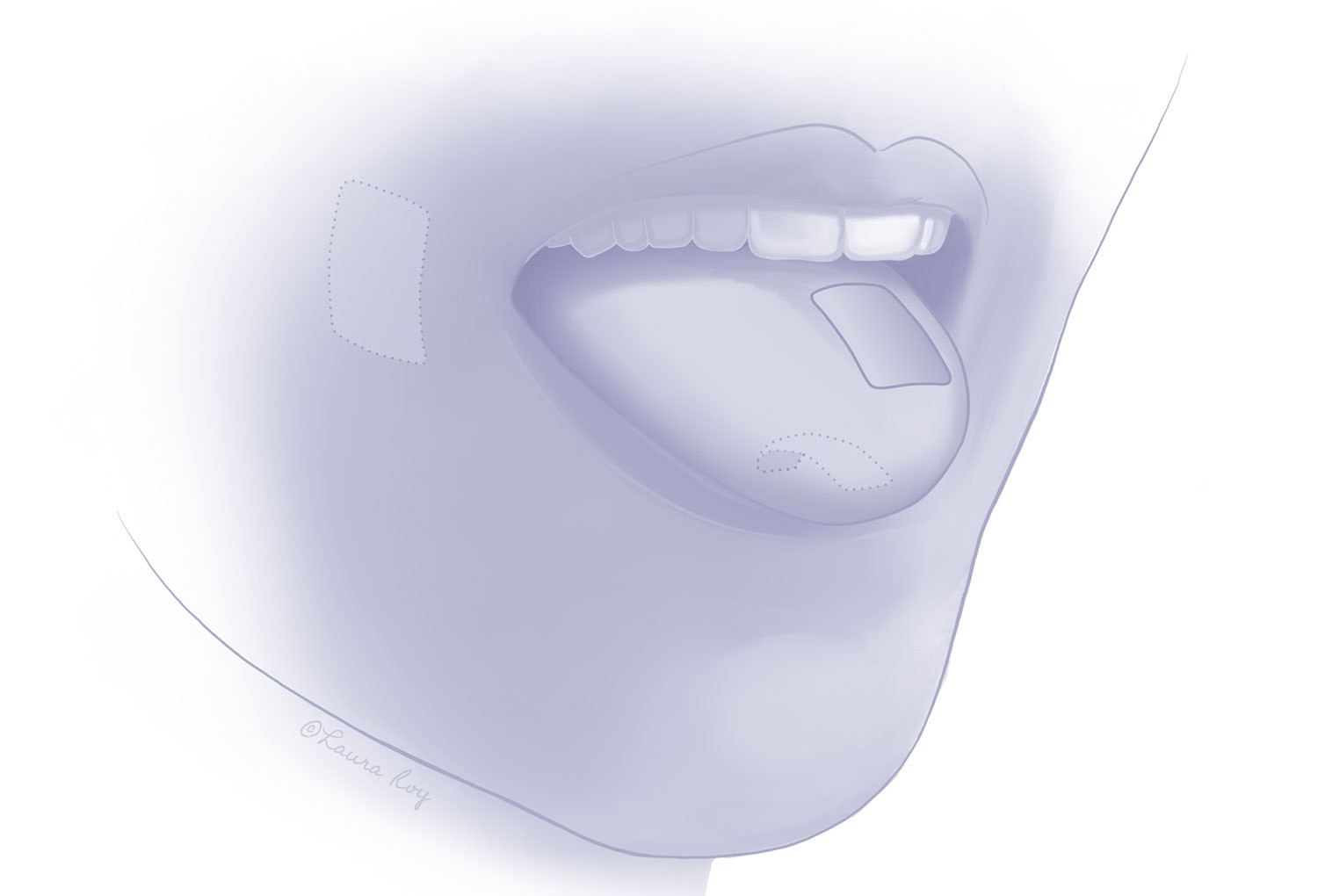
Translating microscopic food science and flavor mechanics into clear, bold, and fully modular visual narratives.
the story
We translated complex tongue papillae and salivary transfer mechanics into a visual language that is equally at home in a high-level research lab or a marketing presentation. Beyond the aesthetics, the primary objective was operational efficiency: we engineered a fully modular asset library, allowing scientists to rearrange layers or adjust polymer properties on the fly. This removed the typical design bottleneck, empowering the R&D team to iterate on their own scientific storytelling in real-time.
timeframe
2023-2024
tools
Illustrator • Photoshop • Procreate • Microsoft PowerPoint
services
Scientific Illustration • Presentation Strategy • Modular Asset Design
problem
Food scientists needed to explain micro-adhesion, polymer flavor balls, emulsions, and tongue-drug delivery to non-scientists (and each other) without dumbing anything down.
solution
Microscopic accuracy meets bold, color-coded clarity: taste-bud cross-sections, flavor-ball polymer matrices, six-color flavor pieces, and a fully editable PowerPoint pyramid so the flavor team could move and animate individual parts themselves during meetings.
Editable Flavor Pyramid Slide Deck
Suite of flavor-delivery mechanism illustrations + editable PowerPoint pyramid for internal R&D scientists.
Microscopic Manipulation:
Try it yourself!
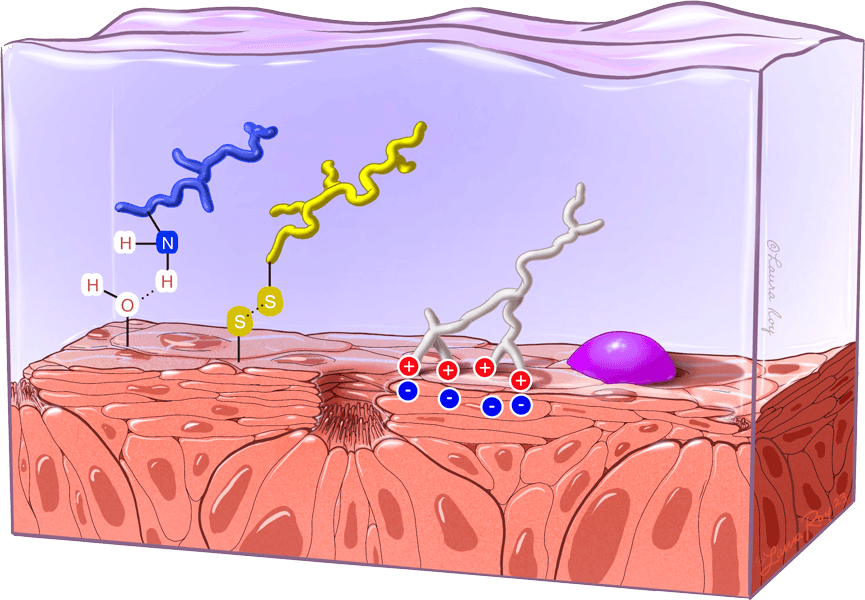
Grab and rearrange the protein structures within the aqueous taste receptor layer.



Dynamics of the Palate
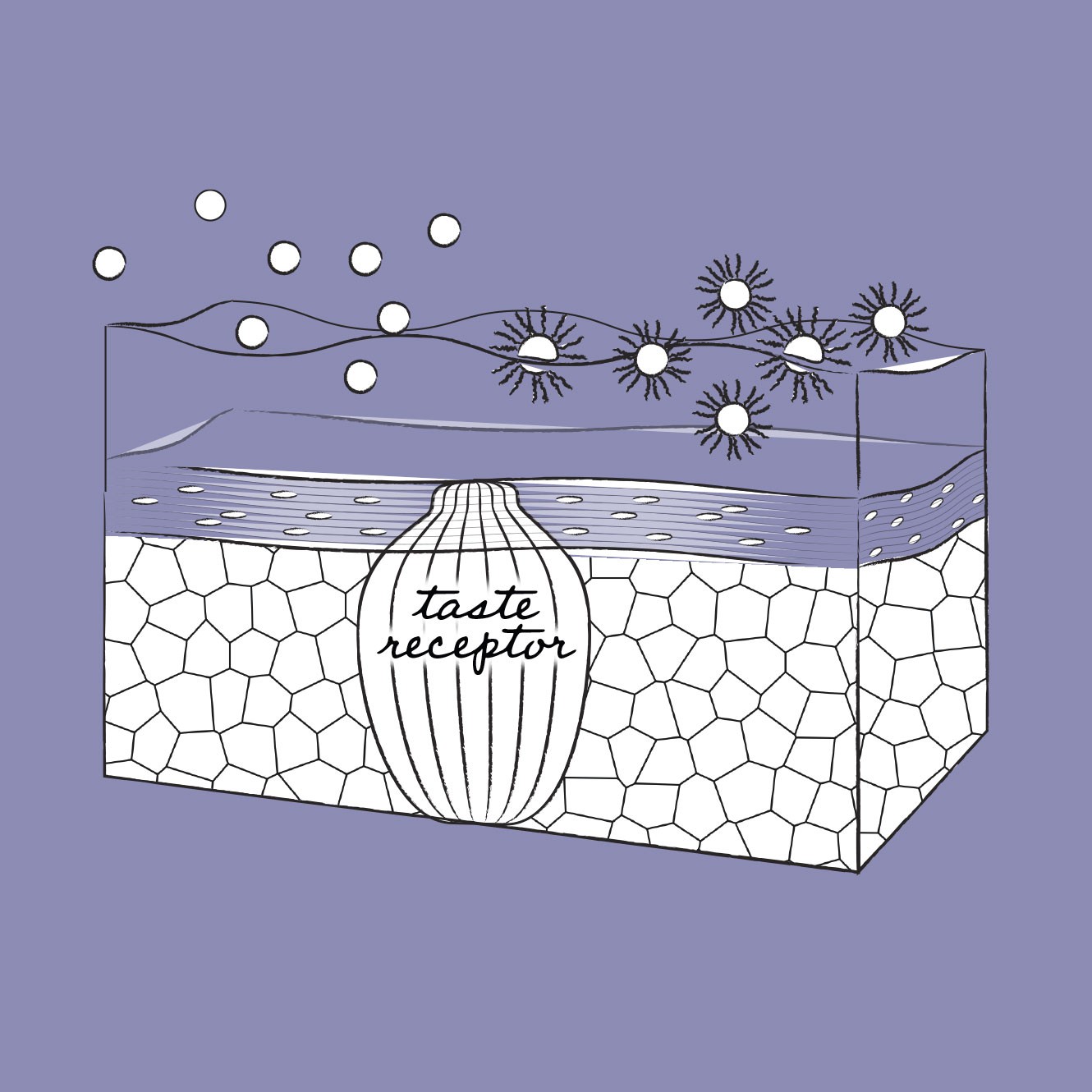
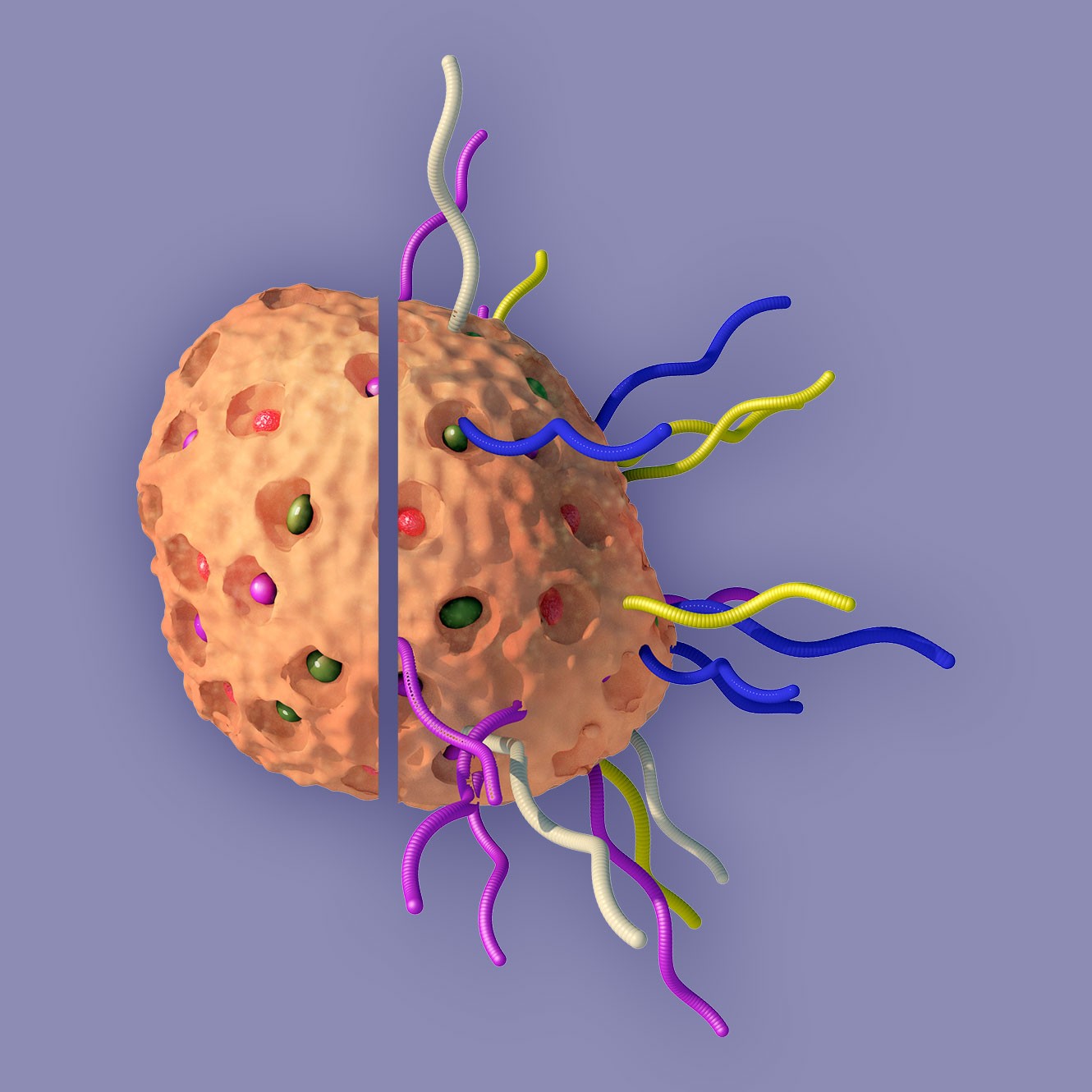
This cellular "aquarium" visualizes the fluid protein interactions on the tongue’s surface. Starting from foundational sketches to confirm anatomical relationships, the final rendering illustrates the attraction between polymers and taste receptors—telling the story of how flavor lingers and delivers over time.
The Saturated Science
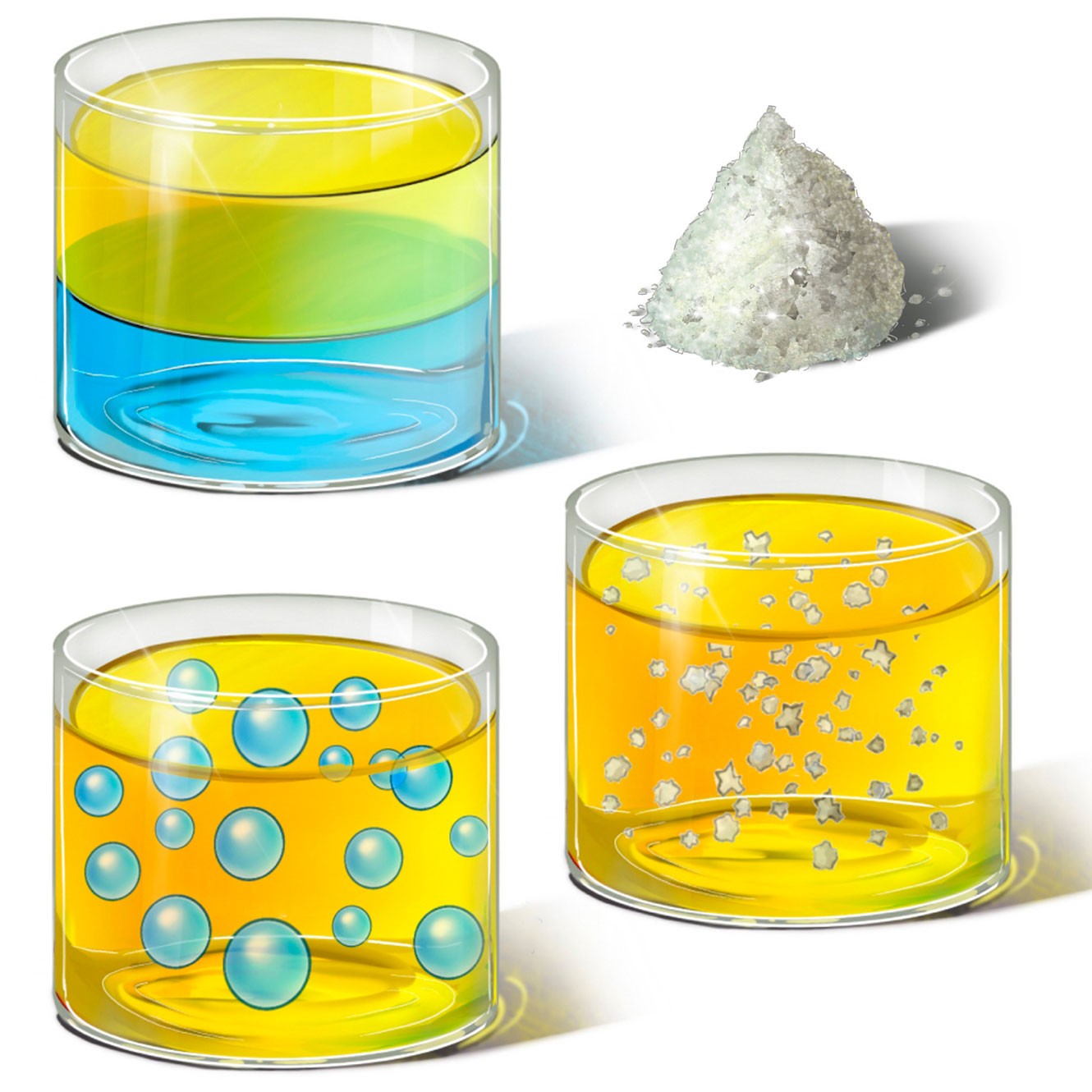
To represent emulsion stages, we utilized a vibrant, saturated palette. This turns technical lab beakers into eye-catching icons of R&D innovation.
Didactic Gastronomy
Some simple forms were created to show high level complex concepts in an easy-to-understand way.
— Feng Geng, Research Scientist, PepsiCo